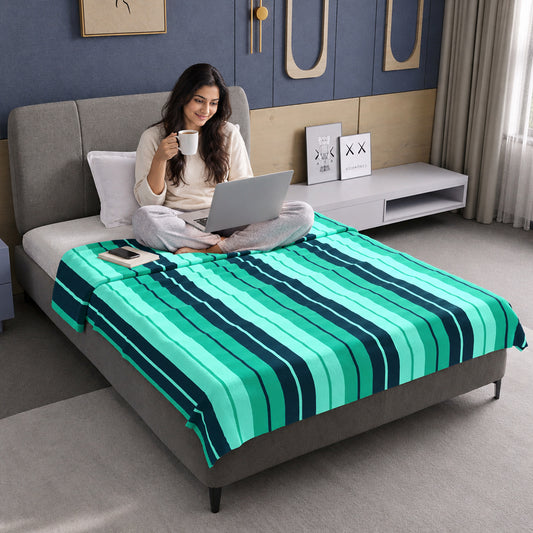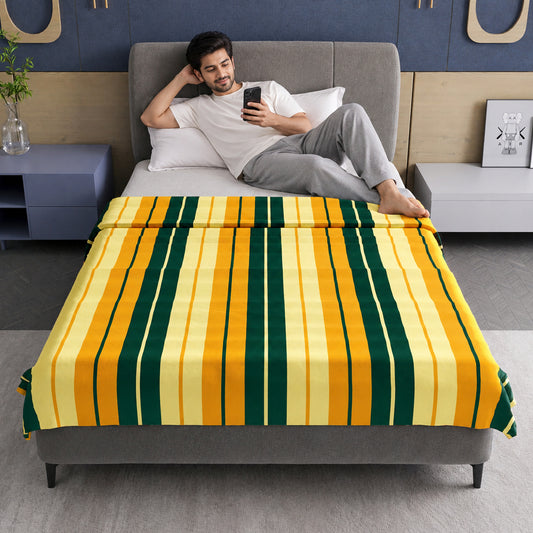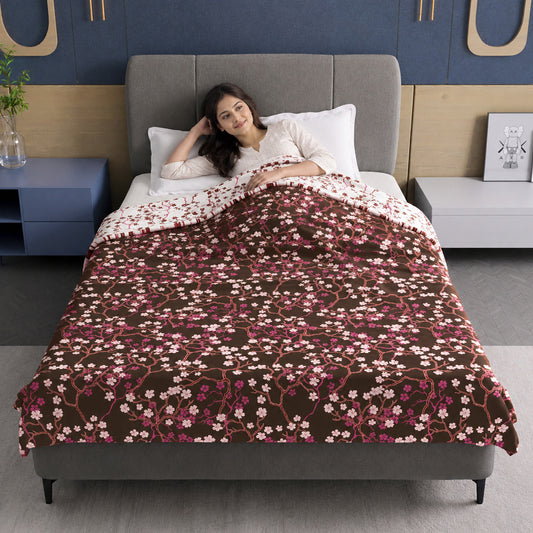

Choosing the right double dohar can make a big difference to your sleeping comfort. Cotton and microfiber are two popular choices, but they offer different benefits in terms of breathability, softness, warmth, and maintenance. So, which one is better?
The answer depends on your room temperature, season, personal comfort, and how you plan to use your dohar.
Also Read: 5 Best Fitted King Size Bedsheet Designs for a Stylish Bedroom
Cotton vs Microfiber: Key Differences
Cotton is a natural fabric known for its breathability and comfortable feel. It allows air to circulate and is a popular choice for warmer weather. Cotton double dohars are particularly suitable for people who prefer lightweight and breathable bedding.
Microfiber is a synthetic fabric made from very fine fibers. It is lightweight, soft, easy to maintain, and generally offers a slightly warmer feel compared with cotton. Microfiber double dohars can be a practical choice for air-conditioned rooms and cooler nights.

Which Dohar Is More Breathable?
Cotton is generally more breathable. Its natural fibers allow better airflow, helping you stay comfortable without feeling overly warm.
Microfiber can still be comfortable and lightweight, but it is usually less breathable than cotton. If breathability is your top priority, cotton is the better choice.
Which Is Better for Summer?
For hot Indian summers, cotton double dohars are usually the better option. Cotton's breathable nature makes it comfortable for warm nights and helps reduce the feeling of heat.
A lightweight cotton dohar can also be useful during summer when you want a soft layer without the heaviness of a blanket.
Which Is Better for AC Rooms?
For AC bedrooms, microfiber double dohars can be a great choice. They provide a comfortable layer of warmth while remaining lightweight and easy to handle.
If your AC is set to a lower temperature, a microfiber dohar can provide additional comfort without the bulk of a heavy blanket.
Which Is Easier to Maintain?
Both cotton and microfiber dohars can be relatively easy to maintain when washed according to their care instructions.
Microfiber generally dries quickly and is convenient for regular household use. Cotton may require a little more attention to washing and drying to help maintain its appearance and feel.
Which Feels Softer?
Softness is subjective, but both fabrics can feel comfortable against the skin. Cotton offers a natural, breathable feel, while microfiber is known for its smooth and soft texture.
Your preference may depend on whether you prefer the natural feel of cotton or the silky-smooth feel of microfiber.
Which Is More Suitable for Everyday Use?
Both are suitable for everyday use. Cotton is ideal for people who prioritize breathability and natural fabric, while microfiber is a practical option for those looking for easy maintenance and a lightweight, cozy layer.
How to Choose the Right Double Dohar
Consider these factors before buying:
For hot weather:
Choose a breathable cotton double dohar.
For AC rooms:
Consider a lightweight microfiber double dohar.
For natural fabric:
Cotton is the preferred option.
For easy maintenance:
Microfiber can be convenient.
For everyday comfort:
Choose based on your preferred feel and room temperature.
Also check the dohar's size, construction, fabric quality, stitching, and wash-care instructions before purchasing.
Also Read: Shop New Arrival Bedsheets for a Stylish Bedroom Makeover
Final Recommendation Based on Your Needs
There is no single winner between cotton and microfiber. Cotton is generally better for breathability and warmer weather, while microfiber is a practical choice for AC rooms, cooler nights, and easy everyday maintenance.
Choose cotton if you prefer a natural, airy feel. Choose microfiber if you prefer a soft, lightweight layer with a slightly warmer feel.
Conclusion
The best double dohar is the one that matches your sleeping environment and personal comfort. Whether you choose breathable cotton or soft microfiber, selecting the right fabric can help make your bedroom more comfortable throughout the year.
About Divine Casa
Divine Casa offers a range of comfortable and stylish bedding designed for modern Indian homes. Our collection includes double dohars, cotton dohars, microfiber dohars, bedsheets, comforters, pillow covers, cushion covers, towels, and other home furnishing products.
With different fabrics, patterns, and designs available, Divine Casa makes it easier to find bedding suited to your everyday comfort and home décor.
Frequently Asked Questions
Is cotton better than microfiber for a double dohar?
Cotton is generally better for breathability and warm weather, while microfiber can be preferable for AC rooms and cooler conditions. The better choice depends on your personal comfort and room temperature.
Are cotton double dohars good for summer?
Yes. Cotton double dohars are breathable and lightweight, making them a comfortable choice for summer and warmer Indian weather.
Is a microfiber double dohar suitable for AC rooms?
Yes. Microfiber double dohars can provide a comfortable layer of warmth in air-conditioned rooms while remaining lightweight.
Which is easier to wash, cotton or microfiber?
Microfiber is generally easy to maintain and dries relatively quickly. However, both fabrics should be washed according to their specific care instructions.
Which dohar is softer, cotton or microfiber?
Both can be soft and comfortable. Cotton has a natural fabric feel, while microfiber typically has a smooth, soft texture.
Can a double dohar be used throughout the year?
Yes. A double dohar can be used throughout the year depending on the fabric, room temperature, and season. Cotton can be useful in warmer weather, while microfiber can be suitable for AC rooms and cooler nights.